
Introduction
Every great event starts at the door. A chaotic entry experience can sour the mood of attendees before they've even stepped inside. Whether you're organizing a corporate conference, a music festival, or a college fest, mastering entry management is non-negotiable.

Step 1 – Plan Your Entry Points Early
Identify how many entry gates you need based on expected footfall. A single entry point for 2,000 guests is a recipe for disaster. Plan multiple lanes — one for pre-registered guests, one for walk-ins, and a priority/VIP lane.
Step 2 – Choose the Right Ticketing & Check-In System
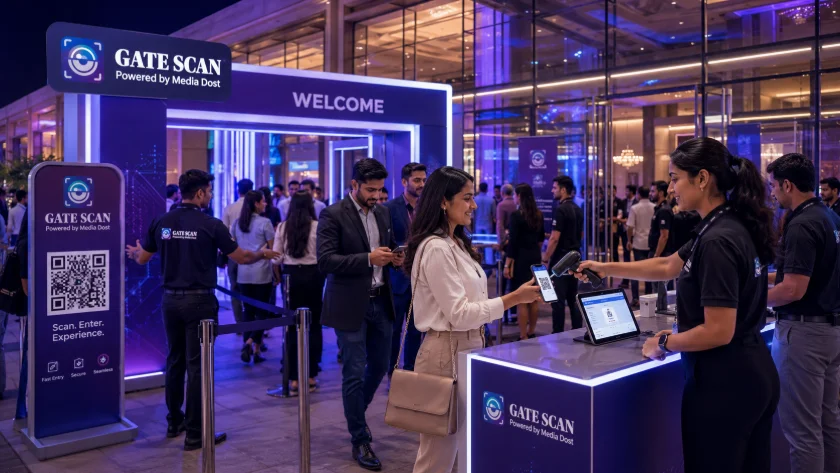
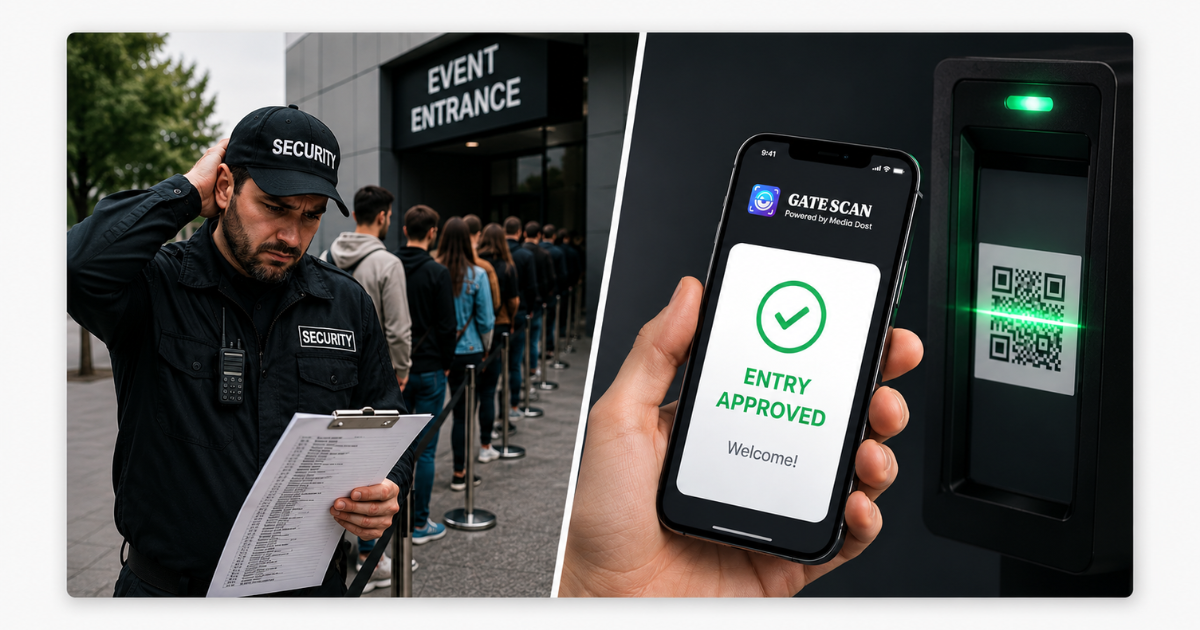
Go digital wherever possible. Tools like Eventbrite, Konfhub, or GateScan QR-code-based systems drastically cut check-in time. Paper guest lists are slow and error-prone. A barcode or QR scan takes under 2 seconds per person.

Step 3 – Train Your Entry Staff
Your entry staff are the first face of your event. Train them on the check-in tool, handling exceptions (lost tickets, name mismatches), and crowd management basics. Assign clear roles — scanner, verifier, guide, and a supervisor per lane.

Step 4 – Communicate Entry Details to Attendees in Advance
Send entry instructions via email and SMS at least 48 hours before the event. Include gate numbers, parking details, what ID/ticket to carry, and entry timings. Fewer questions at the gate = faster movement.

Step 5 – Manage Crowd Flow with Signage and Barriers
Use clear directional signage, rope barriers, and floor markings to guide guests naturally. Avoid bottlenecks by keeping the entry area wide and distraction-free. Position staff at decision points where guests might get confused.
Step 6 – Have a Contingency Plan
System crashes happen. Always have an offline backup — a printed list or an offline-capable app. Assign a dedicated troubleshooting person who can resolve issues without halting the entire queue.